Reviewing Christmas Snowflakes Pink Watercolor PNG for Embroidery
As a designer who spends half my life digitizing and the other half stitching, I have learned that not every beautiful image translates well into thread. We often get swept up in the visual appeal of a digital asset, forgetting the physical realities of needle penetration, fabric tension, and thread sheen. Recently, I pulled the Christmas Snowflakes Pink Watercolor PNG from my library to evaluate its potential for upcoming holiday projects. This is not just a graphic; it is a specific aesthetic challenge. The watercolor style implies softness, gradients, and organic edges, while embroidery is inherently structural and linear. My goal here is to break down how this design performs in real-world applications, moving beyond the screen to the hoop.
The First Impression: Mood and Aesthetic Potential
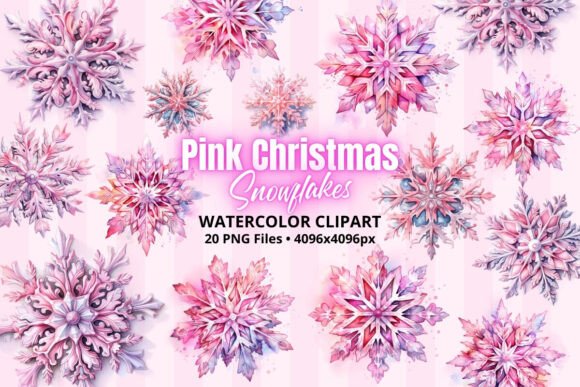
The immediate draw of the Christmas Snowflakes Pink Watercolor PNG is its departure from traditional holiday palettes. We are accustomed to reds, greens, and icy blues. The introduction of pink watercolor tones creates a mood that is whimsical, modern, and distinctly feminine. It feels less like a rigid winter scene and more like a soft, dreamy memory of snow. For embroidery designers, this presents an interesting puzzle. Watercolor effects rely on bleeding colors and transparent layers. In embroidery, we must replicate this illusion using thread colors, stitch angles, and density variations.
The layout of the snowflakes suggests a delicate balance. They are not overly dense, which is a relief. High-density designs can turn stiff and cardboard-like, especially on softer garments. The visual personality here leans toward elegance rather than bulk. This makes it an ideal candidate for projects where drape and comfort matter, such as baby items or lightweight apparel. However, the lack of hard outlines means the digitizer—or you, if you are converting this manually—must be strategic about how to define the edges without losing that ethereal watercolor feel.
Real-World Application: From Screen to Stitch
To test the viability of this design, I imagined a specific client request: a custom embroidered tote bag for a boutique bakery’s holiday gift sets. The client wanted something that felt handmade but polished. Using the Christmas Snowflakes Pink Watercolor PNG as the base inspiration, I considered how it would look on natural canvas. The texture of the fabric plays a huge role here. On a coarse canvas, fine details might get lost. Therefore, simplifying the intricate watercolor bleeds into broader areas of fill stitch or satin stitch borders becomes necessary.
Beyond tote bags, this design shines in sweatshirt embroidery. A crewneck sweatshirt in heather gray or soft white provides a neutral backdrop that allows the pink tones to pop without clashing. The softness of the watercolor aesthetic complements the cozy nature of fleece or cotton blends. For Etsy sellers and small shop owners, this versatility is key. You can market it as part of a "Winter Whimsy" collection, appealing to customers looking for personalized gifts that stand out from the generic red-and-green merchandise flooding the market in December.
I also see strong potential in baby embroidery. The pink palette is naturally soothing and gender-neutral enough when paired with whites or creams. Imagine this stitched onto a muslin swaddle or a knit cap. The key is keeping the stitch density low to maintain the fabric's stretch and softness. A heavy design on a baby’s hat is uncomfortable and impractical. By interpreting the watercolor elements with lighter running stitches or sparse fills, you preserve the comfort factor while delivering the visual impact.
Navigating Technical Challenges and Fabric Constraints
While the aesthetic is charming, we must address the technical hurdles. Watercolor designs are notorious for looking muddy if the thread contrast is poor. When working with the Christmas Snowflakes Pink Watercolor PNG, you cannot simply pick one shade of pink. You need a gradient of threads—perhaps three or four shades ranging from pale blush to deeper rose—to mimic the depth of the original illustration. If you only use one color, the design will look flat and lose its artistic intent.
Fabric choice is another critical variable. This design requires careful handling on textured fabrics. If you are stitching on a waffle-knit towel or a rough linen, the fine details of the snowflake points may snag or disappear. In these cases, I recommend using a cut-away stabilizer to provide a firm foundation, ensuring the stitches lay flat. Conversely, on stretchy fabrics like jersey tees, you must be wary of distortion. The watercolor edges should not be too dense, or the fabric will pucker around the design.
Dark fabrics present a unique challenge. Watercolor designs often rely on white space and light tones. Stitching light pink threads on black fabric can look striking, but it requires precision. Any gaps in the stitching will show the dark background, breaking the illusion of the snowflake. Here, an applique design approach might be smarter. Instead of stitching the entire snowflake, you could use a white fabric base cut into the snowflake shape, then stitch the pink watercolor details on top. This reduces stitch count, saves time, and ensures vibrant color representation.
Commercial Viability and Brand Consistency
For craft business owners, the question is always about perceived value. Does this design elevate the finished product? Absolutely. The uniqueness of the pink watercolor theme helps differentiate your brand. It signals to customers that you are offering something curated and artistic, not just a stock clipart slap-on. This builds trust and encourages higher price points. When creating printable mockup images for your online store, ensure the lighting highlights the texture of the threads. Show close-ups of the stitch work to prove quality.
However, professionalism dictates that you verify the licensing terms before selling. Just because you have the PNG does not automatically grant commercial rights for the digitized embroidery file. Always confirm whether the digital embroidery file you create or purchase allows for commercial embroidery sales. This protects your small shop from legal issues and ensures ethical business practices.
Practical Designer Notes for Execution
Before you load this design into your machine, take these practical steps to ensure success:
- Test on Scrap Fabric: Never stitch directly on your final garment. Use a scrap piece of the same material to check tension and registration.
- Check Thread Contrast: Lay out your pink threads against the fabric under natural light. Ensure there is enough distinction between the shades to create the watercolor effect.
- Review Stitch Density: If you are digitizing this yourself, keep the density moderate. Too dense, and it becomes stiff; too light, and the fabric shows through awkwardly.
- Confirm Hoop Size: Ensure the design fits comfortably within your hoop with adequate margin for stabilization.
- Inspect Small Details: Zoom in on the snowflake tips. Tiny, isolated stitches can pull out easily. Consider combining small elements into larger shapes for durability.
- Mockup in Black and White: Convert your preview to grayscale. If the design loses its definition, you need to adjust your thread values for better contrast.
In conclusion, the Christmas Snowflakes Pink Watercolor PNG is a versatile and evocative asset for the thoughtful embroiderer. It demands attention to detail and a good understanding of how thread interacts with fabric, but the payoff is a sophisticated, modern holiday product. Whether you are creating custom apparel, embroidered patches, or home decor, this design offers a fresh take on seasonal motifs. Treat it with the technical respect it deserves, and it will become a standout piece in your portfolio.