Reviewing Cute Sloth Christmas Clipart for Embroidery
As a designer who spends half my life digitizing and the other half stitching, I have learned that not every cute illustration translates well to thread. We often browse marketplaces looking for the perfect Christmas Clipart, Cute Sloth Clipart set, drawn in by the charm of a sleepy animal in a festive hat. But before I commit to stitching this onto a client’s custom sweatshirt or adding it to my Etsy shop inventory, I need to know how it behaves under the needle. This review breaks down the practical realities of using these specific illustrations in real-world embroidery projects.
First Impressions: Mood and Visual Personality
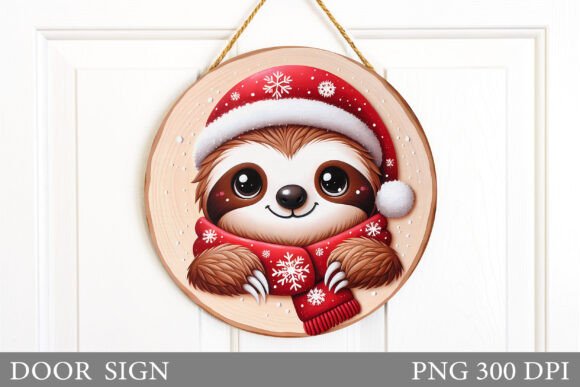
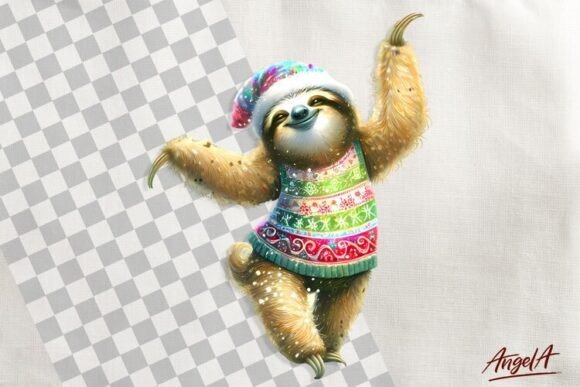
The immediate appeal of this Christmas Clipart, Cute Sloth Clipart collection lies in its relaxed, whimsical energy. In an industry where holiday designs can often feel frantic or overly complex, the sloth offers a refreshing counter-narrative. The visual personality is soft and approachable, which is crucial for certain markets. When I look at these illustrations, I see a design that naturally belongs on cozy, comfort-focused items. It does not scream for attention with aggressive lines; instead, it invites a closer look.
For embroidery designers, the shape and layout are critical. These clipart images typically feature rounded edges and organic curves, which are generally friendlier to machine embroidery than sharp, geometric angles. However, the level of detail varies. Some versions in the set may include intricate facial expressions or tiny holiday accessories like miniature ornaments or candy canes. While these look delightful on a screen, they require careful evaluation to ensure they do not become a muddy mess of thread when stitched out at a smaller scale.
Real-World Application: From Screen to Stitch
To truly test the viability of this Christmas Clipart, Cute Sloth Clipart, I imagine applying it to a few standard products. Let’s consider a custom embroidered tote bag. Tote bags are usually made from canvas or heavy cotton, which provides a stable base for stitching. Here, the sloth design can shine as a central focal point. If the design includes bold outlines, a satin stitch border can define the shape effectively against the textured fabric. The contrast between the smooth thread and the rougher canvas adds a tactile quality that customers love in a handmade product.
Another strong candidate is sweatshirt embroidery. A crewneck sweatshirt offers a large, flat surface area, perfect for a medium-to-large hoop size. The cozy nature of the sloth theme aligns perfectly with the warmth of fleece or cotton blends. In this context, the design acts as a statement piece. However, I would be cautious about using highly detailed versions here if the stitch density is too high, as it could make the garment stiff and uncomfortable to wear. The goal is to maintain the softness of the apparel while adding visual interest.
For baby embroidery, such as on onesies or burp cloths, the cute factor is undeniable. Parents are drawn to gentle, non-threatening imagery. However, this is where the technical limitations come into play. Baby items are small, meaning you are likely working with a 4x4 or 5x7 hoop. You must ensure that the Christmas Clipart, Cute Sloth Clipart you select has been scaled appropriately. Tiny details like eyes or nose highlights need to be distinct enough to survive the washing machine cycles that baby items endure.
Navigating Technical Challenges and Fabric Constraints
While the aesthetic is charming, the execution requires vigilance. One of the primary concerns with any clipart converted into an embroidery file is stitch density. If the original illustration has large areas of solid color, a naive digitization might result in a dense fill stitch that puckers the fabric. This is particularly problematic on stretchy fabrics like jersey knits used for t-shirts or caps. On curved surfaces like baseball caps, a dense design can distort the shape of the hat and cause registration issues.
When working with dark fabric, thread color contrast becomes a major consideration. If the sloth is light-colored and the background is dark, you need crisp, clean edges. A running stitch underlay is essential to stabilize the fabric and prevent the white or cream threads from sinking into the dark material. Conversely, on light fabric, you might need to adjust the thread colors to ensure the design does not wash out. Testing the design in black and white mockups can help you visualize the contrast before you even thread your machine.
Small hoop sizes present another hurdle. If you are creating an embroidered patch or a small accent on a pocket, you cannot use the most detailed version of the Christmas Clipart, Cute Sloth Clipart. Intricate features will merge together. In these cases, simplification is key. You might need to remove tiny accessories or simplify the facial features to ensure stitching clarity. This is where understanding the difference between a decorative accent and a main design element is vital for professional results.
Enhancing Product Value and Brand Consistency
Using high-quality, well-digitized designs directly impacts customer trust and brand consistency. When a buyer receives a personalized gift featuring a sloppy, puckered sloth, they are unlikely to return. However, a clean, crisp execution of this Christmas Clipart, Cute Sloth Clipart can elevate a simple item into a boutique-quality product. For Etsy sellers and small shop owners, this distinction is what drives repeat business and positive reviews.
The visual appeal of the finished product also affects its giftability. Holiday embroidery is often purchased as a gift. A well-executed sloth design on a kitchen towel or pillow cover feels thoughtful and unique. It stands out from mass-produced items because of the texture and craftsmanship involved. For creative entrepreneurs, this means that the choice of design assets is not just about aesthetics; it is about delivering a tangible sense of quality.
Practical Notes for the Embroidery Designer
Before you load this digital embroidery file into your machine, take these practical steps. First, always test the design on scrap fabric that matches your final project material. This allows you to check thread tension and stabilizer effectiveness without risking your final product. Use a cut-away stabilizer for stretchy fabrics and a tear-away for stable woven fabrics to ensure the design holds its shape.
Review the stitch types used in the digitization. Look for a balance of satin stitch for borders and fill stitch for larger areas. Avoid excessive jump stitches, which can create unsightly threads on the back of the project. If you are planning to sell finished items, confirm the licensing terms of the Christmas Clipart, Cute Sloth Clipart. Ensure that the license covers commercial embroidery projects, especially if you are selling on platforms like Etsy or at craft fairs.
Finally, consider the thread colors carefully. While the digital preview might show specific shades, physical threads have sheen and depth that screens do not capture. Swatch your threads against the fabric to ensure harmony. By treating these illustrations with the technical respect they deserve, you can transform a simple clipart image into a standout piece of commercial embroidery art.