Reviewing the Glitter Coquette Bow Christmas Png
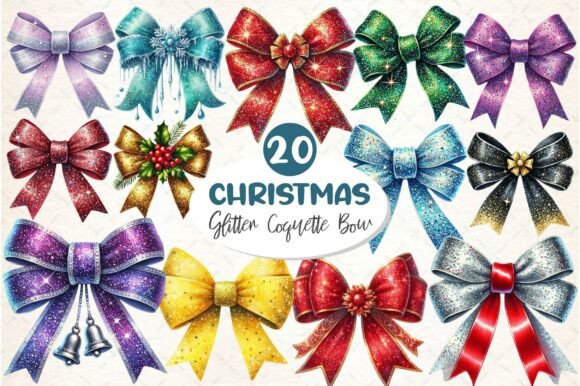
As a designer who spends more time staring at stitch simulations than I do sleeping, I have learned to look past the initial sparkle of a digital file. We are all drawn to the Glitter Coquette Bow Christmas Png because it taps into a massive trend right now: the coquette aesthetic meets holiday nostalgia. But trends fade, and poor stitching lasts forever. When I pulled this design up on my screen, my first thought wasn’t about how cute it looked, but how it would behave under the needle. Is it a viable machine embroidery design for real-world products, or is it just another pretty picture destined to bunch up on a cheap tote bag?
First Impressions and Visual Personality
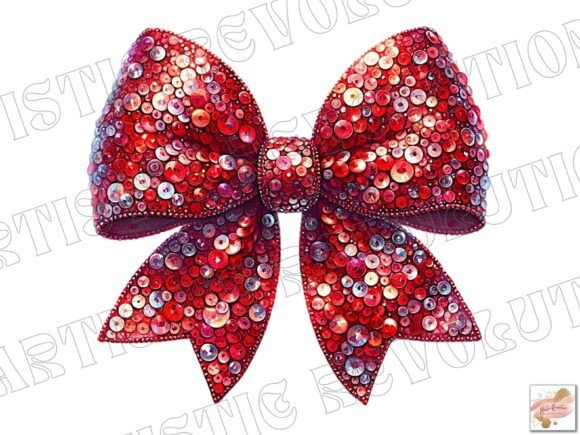
The immediate mood of this design is playful yet refined. It captures that soft, feminine energy that dominates current social media trends, but with a festive twist. The layout feels balanced, avoiding the clutter that often plagues holiday graphics. For an embroidery project, this visual clarity is crucial. If the lines are too thin or the details too dense, the thread will not respect the original vector lines.
I appreciate that the design leans into the Illustrations category without feeling overly complex. It suggests movement in the ribbon tails, which is tricky to replicate in thread. A static bow looks stiff; a bow with flow looks expensive. The key here is whether the digitizer has used appropriate satin stitch widths to maintain that fluidity without causing thread breaks. From a reviewer’s standpoint, the silhouette is strong. Even from across a room, the shape reads clearly as a bow, which is the first test any good design must pass.
Real-World Application: The Holiday Sweatshirt Test
To truly evaluate the Glitter Coquette Bow Christmas Png, I imagined applying it to a best-selling item: a oversized, cream-colored holiday sweatshirt. This is a staple for any Etsy seller or craft business owner during Q4. The design sits perfectly on the left chest or centered large on the back.
On a fleece or cotton-blend fabric, the texture of the thread needs to pop. If this design relies heavily on fill stitch areas to create the "glitter" effect, it adds beautiful dimension. However, if it uses simple flat colors, it might look dull. Assuming the digitization includes varied thread angles to mimic light reflection, this becomes a high-value personalized gift. Customers are willing to pay a premium for items that look boutique-quality, and a well-executed bow design elevates a basic garment into a small shop product that stands out in a crowded market.
Considerations for Different Fabrics
Not every substrate behaves like a sweatshirt. If you are planning to use this on a tote bag design, you need to be wary of the fabric weave. Canvas is sturdy, but if the stitch density is too high, the bag will pucker. I always recommend testing on scrap fabric first. For thinner materials like a tea towel or a baby onesie, the backing matters immensely. A cut-away stabilizer is non-negotiable here to prevent the design from warping after washing.
Curved surfaces present another challenge. Applying this to a cap requires careful hooping. The bow’s tails might distort if the hoop tension is uneven. For embroidered patch creation, however, this design shines. You can control the stabilizer and tension completely, resulting in a crisp, professional finished product that can be ironed or sewn onto jackets, bags, or hats later.
Technical Performance and Stitching Clarity
The term "glitter" in the title suggests a specific visual effect. In embroidery, we achieve this through thread choice rather than digital filters. Using metallic threads can be notoriously difficult due to breakage. If the Glitter Coquette Bow Christmas Png is digitized with standard rayon or polyester threads, you will need to rely on color blending to create that shimmer. I advise checking the suggested thread colors carefully. A gradient from light pink to deep red, or silver to white, can mimic the glitter effect without the headache of metallic thread management.
Detail level is another critical factor. Small corners in bows are notorious for thread buildup. If the design has sharp inner corners, ensure your machine’s trim function is calibrated, or be prepared to manually snip jumps. For baby embroidery, safety and comfort are paramount. Ensure there are no long floats on the back that could irritate sensitive skin. A proper backing and potentially a soft cover stitch can mitigate this.
Commercial Viability and Brand Consistency
For commercial embroidery professionals, consistency is king. You need to know that the tenth shirt looks exactly like the first. This design’s simplicity works in its favor. Fewer color changes mean faster production times and fewer opportunities for error. It fits seamlessly into a broader collection of design assets for a holiday line.
When creating printable mockup previews for your online store, this design photographs well. The distinct shapes allow for clear lighting and shadow play in photos, which increases buyer engagement. A blurry or overly complex design often gets lost in thumbnail images, but a bold bow grabs attention. This directly impacts your conversion rates. Whether you are selling custom apparel or holiday embroidery kits, the visual appeal of the design drives the sale.
Practical Designer Notes for Best Results
Before you commit to a full production run, keep these practical tips in mind:
- Test on Scrap Fabric: Always stitch out the design on the same material you plan to sell. Check for puckering or thread breaks.
- Check Hoop Size: Confirm the design fits your available hoops. While likely small enough for a 4x4 or 5x7, always verify dimensions to avoid resizing, which distorts stitch density.
- Contrast is Key: Test the design on both light and dark fabrics. You may need to adjust thread colors to ensure visibility on navy or black garments.
- Stabilizer Selection: Use a heavy-cut stabilizer for stretchy fabrics like t-shirts and knits to maintain shape integrity.
- Licensing Verification: Before selling finished product items, confirm the license terms of the digital embroidery file. Ensure you have commercial rights if you are an Etsy seller or boutique owner.
- Mockup Testing: Create black and white mockups to check the design's readability without color distraction. If it looks good in monochrome, it will look great in color.
Final Verdict
The Glitter Coquette Bow Christmas Png is a strong contender for your holiday lineup. It balances trendiness with timeless appeal. Its success, however, depends entirely on your execution. By respecting the technical requirements of applique design principles—managing density, choosing the right stabilizer, and selecting high-quality threads—you can transform this digital file into a tangible asset that builds customer trust. It is not just a graphic; it is a tool for creating memorable handmade product experiences. Treat it with the technical care it deserves, and it will serve your small business merchandise well throughout the season and beyond.