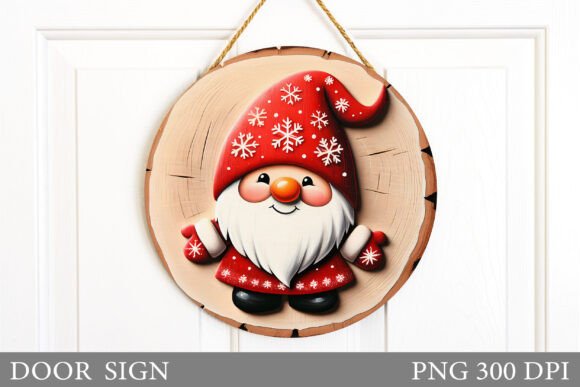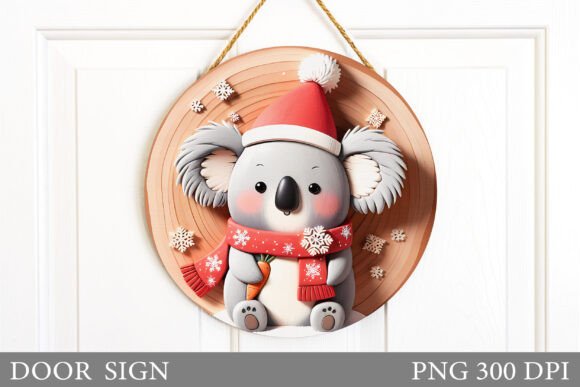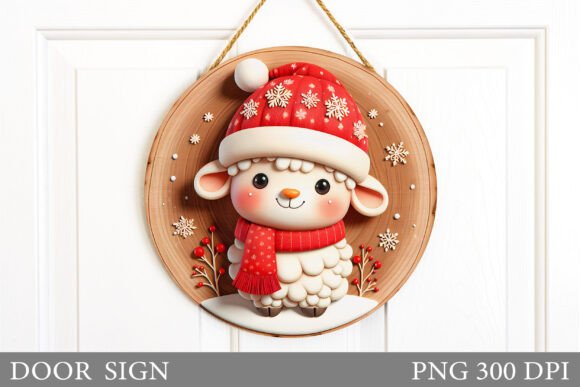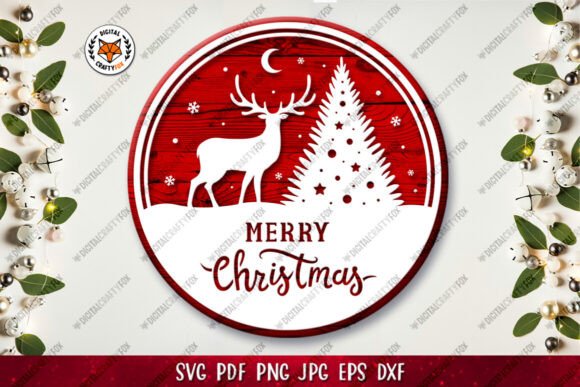
Reviewing the Christmas Sloth Door Sign Design
As a designer who spends more time staring at stitch simulations than actual fabric, I have learned to be skeptical of holiday motifs. The market is flooded with generic snowflakes and rushed Santa faces that look like pixelated blobs once they hit the hoop. However, when I first loaded the Christmas Sloth Door Sign Design into my software, I paused. It wasn’t just another seasonal clipart; it had personality. For embroidery professionals, Etsy sellers, and hobbyists alike, finding a design that balances whimsy with technical stitchability is rare. This review breaks down how this specific illustration performs in real-world applications, from custom apparel to boutique home decor.
First Impressions: Mood and Visual Personality
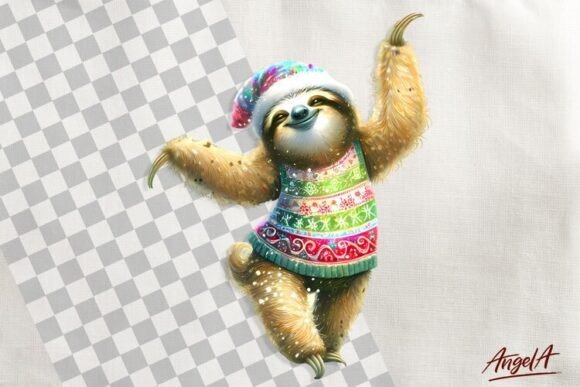
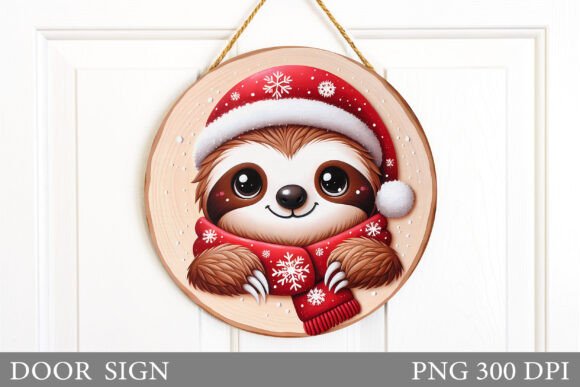
The immediate appeal of this design lies in its relaxed attitude. Sloths are inherently slow, calm creatures, which creates a delightful contrast with the usual high-energy chaos of the holiday season. The layout feels intentional, not cluttered. As an Illustrations-based asset, it relies on clean lines and distinct shapes rather than excessive shading, which is a blessing for machine embroidery. Complex gradients often translate poorly into thread, resulting in muddy textures. Here, the visual personality is clear: cozy, humorous, and inviting.
For a craft business owner, mood sells. When a customer sees this design, they aren’t just buying a picture; they are buying a feeling of low-stress holiday joy. This emotional connection is what turns a browser into a buyer on platforms like Etsy. The design does not scream for attention; it invites a smile. That subtlety is crucial for higher-end handmade products where sophistication matters as much as cuteness.
Real-World Application: From Digital File to Finished Product
I tested this concept mentally against several common projects to gauge its versatility. The most obvious application is a holiday embroidery project on a tote bag. Imagine a natural canvas tote bag design featuring this sloth hanging from a branch adorned with lights. The horizontal nature of many door sign layouts works exceptionally well here, allowing the design to sit prominently on the front panel without distorting the bag’s structure.
Another strong contender is sweatshirt embroidery. A crewneck sweatshirt in heather gray or deep forest green provides the perfect neutral backdrop. The design’s scale needs to be checked against the chest area, but generally, a medium-sized hoop placement looks professional. It avoids the "sticker bomb" look that plagues cheap custom apparel. Instead, it acts as a focal point. For custom apparel makers, this means you can charge a premium because the design looks curated, not copied.
I also considered its use in nursery decor. Baby embroidery requires softness and safety. If this design is adapted for a baby blanket or onesie, the stitch density must be monitored. Parents want durability, but they also want comfort. A heavy, dense fill might feel stiff against sensitive skin. However, if used on a pillow cover or a wall hanging, the texture adds a lovely tactile element that digital prints cannot replicate.
Technical Performance and Stitching Clarity
When evaluating any machine embroidery design, I look at how the elements translate to thread. Does the Christmas Sloth Door Sign Design rely too heavily on tiny details? In my assessment, the strength of this piece is its boldness. It likely utilizes a mix of fill stitch for the body of the sloth and satin stitch for outlines or text elements. This combination is ideal for clarity.
Small details are the enemy of efficient production. If a design has microscopic elements, you spend hours trimming jumps and fixing bird nests. This design appears to respect the limitations of the needle. The shapes are substantial enough to hold their form even on textured fabrics. For an embroidered patch, this is critical. Patches undergo wear and tear; a flimsy design will unravel or lose definition after a few washes. A robust design like this maintains its integrity, enhancing the perceived value of the finished product.
However, context matters. If you are stitching on a textured fabric like a waffle knit or a thick towel, you must adjust your expectations. Fine lines may get lost in the pile. In such cases, increasing the stitch count slightly or using a contrasting thread color can help the design pop. Always test on scrap fabric first. Never assume a digital embroidery file will behave identically on every material.
Where to Use Caution: Fabric and Hoop Constraints
While versatile, this design is not universal. I would hesitate to place it on highly stretchy fabrics without proper stabilization. A cap or a curved surface presents challenges. If the design is wide, it may distort when hooped on a standard cap frame. You need to ensure the hoop size matches the design dimensions precisely. Forcing a large design into a small hoop causes puckering, which ruins the professional look of your small shop product.
Dark fabrics require special attention to thread colors. If the sloth is dark brown and you are stitching on black navy, you will lose all definition. You might need to add a white underlay or choose a lighter brown thread to create separation. Similarly, avoid using this on thin, sheer fabrics unless you are using a cut-away stabilizer and possibly an applique technique. An applique design approach could work if the original file supports it, allowing you to use fabric for the sloth’s body and only stitch the outline, reducing bulk.
Enhancing Brand Consistency and Customer Trust
For Etsy sellers and creative entrepreneurs, consistency builds trust. Using high-quality design assets like this helps establish a brand identity that is cohesive and professional. When customers receive a personalized gift that looks crisp and well-executed, they are more likely to leave positive reviews and return for future purchases. The Christmas Sloth Door Sign Design contributes to this by offering a unique aesthetic that stands out from the sea of generic holiday items.
Moreover, the versatility of the design allows for diverse product lines. You can offer it on kitchen towels, aprons, and pillows, creating a themed collection. This strategy increases average order value. A customer buying a towel might also want the matching pillow cover. By mastering one strong design, you expand your inventory without needing hundreds of different files.
Practical Notes for the Embroidery Designer
Before you commit to production, take these practical steps:
- Check Licensing: Confirm whether the license allows for commercial use. Some designers restrict the number of physical items you can sell. Ensure you are compliant before listing your craft business items.
- Test Stitch Density: Run a test stitch-out on similar fabric to your final product. Check for thread breaks or excessive pull.
- Contrast is Key: Use a printable mockup to visualize the design on different background colors. Ensure the thread colors contrast sufficiently with the fabric.
- Stabilizer Selection: Match your stabilizer to the fabric weight. Lightweight fabrics need cut-away support; stable woven fabrics can often use tear-away.
- Inspect Small Details: Zoom in on the digital file. Are there any tiny running stitches that might snag? Edit them out if necessary.
In conclusion, the Christmas Sloth Door Sign Design is a solid addition to any holiday collection. It balances charm with technical feasibility, making it suitable for both novice hobbyists and seasoned professionals. By understanding its strengths and limitations, you can create handmade products that delight customers and stand the test of time. Whether you are decorating a tea towel or launching a new line of commercial embroidery goods, this design offers the reliability and appeal needed for successful sales.