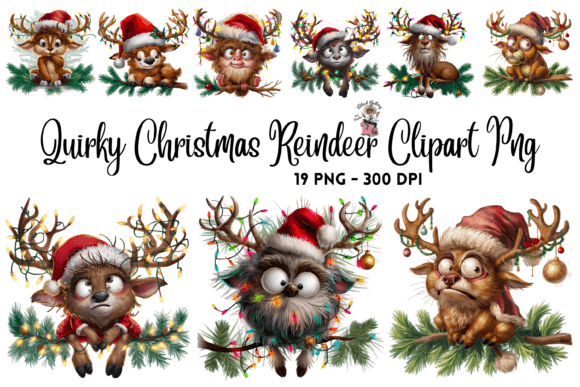
Cute Reindeer Christmas: A Designer’s Practical Review
As a designer who spends more time staring at stitch simulations than actual fabric, I have developed a keen eye for what works and what fails in the hoop. When I first loaded the Cute Reindeer Christmas design into my software, my initial reaction was one of cautious optimism. The holiday market is saturated with generic snowflakes and standard Santa clauses, so finding a character-based illustration that feels fresh yet commercially viable is a genuine challenge. This review breaks down how this specific asset performs in real-world embroidery scenarios, moving beyond the pretty preview image to the gritty reality of thread tension, fabric texture, and customer appeal.
First Impressions and Visual Personality
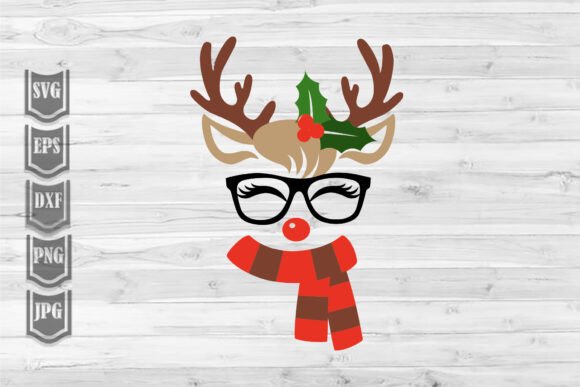
The immediate mood created by Cute Reindeer Christmas is warm, approachable, and distinctly modern. It avoids the overly complex shading that often plagues digital illustrations when converted to thread. Instead, it relies on clean lines and balanced proportions. For an embroidery designer, this is crucial. Complex gradients do not translate well to thread; they result in messy color changes and excessive jump stitches. This design appears to prioritize clarity, using distinct shapes that will read well even from a distance.
The layout suggests a thoughtful approach to stitch direction. In my experience, designs that look good on screen often fail because the artist ignored the physical limitations of the needle. Here, the visual personality feels soft and inviting, making it an ideal candidate for items meant to evoke comfort. It does not scream for attention with aggressive density but rather invites a closer look with its charming simplicity. This subtlety is what separates a high-quality machine embroidery design from a cluttered mess.
Real-World Application: The Holiday Tote Test
To truly evaluate this asset, I mentally placed it into a current project: a custom embroidered tote bag for a local boutique’s holiday gift-with-purchase campaign. The client wanted something festive but not tacky, suitable for carrying groceries or gifts long after December 25th. Cute Reindeer Christmas fit this brief perfectly. Its scale seemed appropriate for a standard 5x7 or 6x10 hoop, allowing it to sit centrally on a canvas tote without overwhelming the fabric.
When considering sweatshirt embroidery, the design’s simplicity becomes an even greater asset. Heavy fleece and cotton blends can distort if the stitch count is too high. Because this illustration likely utilizes efficient fill stitch patterns rather than excessive overlapping layers, it should lay flat against a crewneck sweatshirt. I envision this working beautifully on heather gray or navy blue garments, where the contrast of lighter thread colors would make the reindeer pop without looking childish. It strikes that difficult balance between "cute" and "stylish," which is essential for adult apparel.
Versatility Across Product Lines
Beyond apparel, this design shows strong potential for baby embroidery projects. Think bibs, burp cloths, or onesies. Parents are increasingly seeking personalized, high-quality items that do not look mass-produced. The gentle nature of the reindeer character aligns well with nursery aesthetics. However, when moving to smaller items like embroidered patches or hat fronts, caution is required. The details must be scrutinized. If the antlers or facial features are too fine, they may get lost in the texture of a twill cap or fray quickly on a small patch. I recommend testing a scaled-down version on scrap fabric to ensure the stitch density remains manageable in tighter spaces.
For Etsy sellers and small shop owners, versatility is key to profitability. This design could easily anchor a line of holiday embroidery goods, from kitchen towels to pillow covers. On a linen tea towel, the design would need to be stabilized properly to prevent puckering, but the visual result would be charming and rustic. It serves as a strong tote bag design element or a focal point for a winter-themed quilt block. The ability to adapt this single digital embroidery file across multiple product categories increases its value significantly for creative entrepreneurs.
Technical Considerations and Fabric Challenges
No design is universal, and Cute Reindeer Christmas requires careful handling on certain materials. Textured fabrics, such as heavy waffle knits or rough burlap, can obscure finer details. If the design relies on thin running stitch outlines, these might disappear into the weave. In such cases, I advise using a heavier weight thread or adjusting the underlay settings in your software to create a smoother foundation. Similarly, stretchy fabrics like jersey require robust stabilization. Without a proper cut-away stabilizer, the reindeer’s shape could distort after the first wash, ruining the finished product.
Dark fabrics present another challenge. If you plan to stitch this on black or deep navy, you must consider thread color contrast. Lighter shades may require a higher density to cover the background fabric completely, which can lead to stiffness. I always recommend creating a printable mockup or a digital simulation in black and white to check for readability before committing to expensive thread. Additionally, verify if the design includes satin stitch borders. While satin stitch adds a professional sheen, it can snag easily on items that will be washed frequently, such as baby clothes or kitchen linens.
Enhancing Brand Value and Customer Trust
From a business perspective, the quality of your design assets directly impacts customer trust. A clean, well-digitized reindeer signals professionalism. It tells the buyer that the maker cares about detail. When customers see a crisp, well-defined image on a custom apparel item or a personalized gift, they perceive higher value. This perception allows for better pricing power. Conversely, a poorly executed design with loose threads or misaligned colors can damage a brand’s reputation quickly.
Using Cute Reindeer Christmas effectively can boost buyer engagement on social media. The cute factor encourages sharing, especially during the holiday season. It fits naturally into lifestyle photography, whether styled on a cozy blanket or attached to a gift tag. For commercial embroidery projects, consistency is vital. Ensure that the thread colors you choose align with your brand palette. If your shop favors earth tones, stick to browns, creams, and muted reds. If your brand is vibrant, feel free to experiment with brighter hues, but always test for colorfastness.
Practical Notes for the Embroidery Designer
Before launching this design into production, follow these practical steps to ensure success:
- Test on Scrap Fabric: Always run a test stitch-out on the exact fabric type you intend to use. This reveals tension issues and density problems early.
- Check Thread Contrast: View your design in grayscale to ensure all elements are visible without color reliance.
- Review Stitch Density: High density can cause puckering, especially on lightweight fabrics. Adjust if necessary.
- Confirm Hoop Size: Ensure the design fits comfortably within your hoop, leaving enough margin for stabilization.
- Inspect Small Details: Zoom in on the antlers and eyes. Are the stitches too short? Do they connect properly?
- Use Proper Stabilizer: Match the stabilizer to the fabric. Cut-away for knits, tear-away for woven cottons.
- Verify Licensing: Before selling small shop products or using this in commercial embroidery, confirm the license terms provided with the file.
In conclusion, Cute Reindeer Christmas is a promising addition to any holiday collection. It offers the charm needed for seasonal sales while maintaining the technical simplicity required for efficient production. By respecting the material constraints and focusing on quality execution, this design can become a staple in your craft business inventory. It is not just an image; it is a tool for creating tangible joy, one stitch at a time.