Review: Stitching the Cute Pig Christmas Clipart
As an embroidery designer who has spent countless hours digitizing and stitching out thousands of designs, I have developed a keen eye for what translates well from screen to fabric. When I first encountered Christmas Clipart, Cute Pig Clipart, my initial reaction was one of cautious optimism. The charm is undeniable, but charm alone does not make a viable machine embroidery design. I needed to know if this illustration could withstand the mechanical realities of stitching while maintaining its aesthetic appeal for a commercial or personal project.
In this review, I am evaluating this asset not just as a digital image, but as a potential cornerstone for a holiday product line. Whether you are an Etsy seller looking to expand your seasonal offerings or a hobbyist creating personalized gifts, understanding the practical application of this design is crucial before you commit thread to fabric.
First Impressions: Mood and Visual Personality
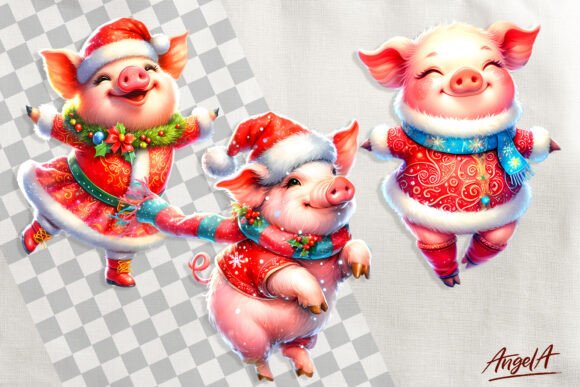
The immediate mood created by Christmas Clipart, Cute Pig Clipart is whimsical and warm. It taps into the cozy, nostalgic feeling of the holiday season without relying on cliché red-and-green overload. The character design features soft, rounded edges that are inherently friendly. For embroidery, round shapes are generally easier to manage than sharp, angular details, which can sometimes result in jagged stitches or thread breaks if not digitized perfectly.
The layout appears balanced, with a clear focal point. In the context of Illustrations, this type of clipart often relies on clean lines and distinct color blocks. This is a positive indicator for embroidery, as it suggests that the design can be broken down into manageable stitch types such as satin stitch for outlines and fill stitch for larger areas. The visual personality is playful, making it an excellent candidate for items intended to bring joy, such as baby clothes or festive home decor.
Real-World Application: A Tote Bag Case Study
To truly test the viability of this design, I imagined a specific real-life scenario: creating a set of reusable holiday tote bags for a local craft fair. The goal was to produce a handmade product that felt premium yet accessible. I selected a sturdy canvas fabric, which provides a stable base for embroidery.
Placing the Christmas Clipart, Cute Pig Clipart on the front of the tote bag required careful consideration of scale. If the design is too small, the details of the pig’s expression and any accompanying holiday elements might get lost in the texture of the canvas. If it is too large, the stitch count could become excessive, leading to long production times and potential fabric puckering. In this scenario, a medium-sized placement worked best, allowing the thread colors to pop against the natural beige of the canvas.
The result was charming. The contrast between the crisp embroidery and the rustic fabric elevated the perceived value of the item. Customers at a craft fair are often drawn to items that look professionally finished, and this design, when stitched correctly, delivers that professional look. It transforms a simple tote into a small shop product that stands out among generic printed merchandise.
Versatility Across Product Lines
Beyond tote bags, this design shows promise across various categories. For sweatshirt embroidery, the softness of the fleece complements the cute nature of the pig. However, one must be mindful of the nap of the fabric. Using a proper stabilizer is non-negotiable here to prevent the stitches from sinking into the fleece and losing definition.
For baby embroidery, such as on onesies or burp cloths, the design’s gentle aesthetic is a perfect fit. Parents are increasingly seeking unique, non-traditional holiday gifts, and a cute pig motif offers a fresh alternative to standard snowmen or reindeer. When used on custom apparel like t-shirts, the design needs to be simplified. Complex gradients in the original clipart may need to be converted into solid blocks of color to ensure the embroidery file runs smoothly on home machines.
It also works well for embroidered patch creation. Patches are a trending item in the craft business world, and this design’s self-contained shape makes it ideal for cutting and applying to jackets, hats, or bags later. This adds versatility for buyers who want to customize their own items.
Technical Considerations and Potential Pitfalls
While the design is appealing, there are areas where caution is required. One major concern with any clipart-to-embroidery conversion is stitch density. If the original illustration has very fine details or tiny text, these may not translate well. Tiny lettering, in particular, can become illegible when stitched. I recommend inspecting the design at 100% zoom to identify any elements that are too small for your specific hoop size and machine capabilities.
Another critical factor is fabric choice. On stretchy fabrics like jersey knits, the tension of the embroidery can cause distortion. Using a cut-away stabilizer is essential to maintain the integrity of the finished product. Similarly, on dark fabrics, you must ensure that the thread colors provide sufficient contrast. A light-colored pig on a black shirt looks striking, but only if the underlying fabric does not show through the stitches. Testing on scrap fabric is the only way to confirm this.
Curved surfaces, such as caps, present another challenge. The design must be centered perfectly, and the curvature of the cap can distort the image if the hoop is not aligned correctly. For holiday embroidery on hats, I suggest simplifying the background elements of the clipart to reduce bulk and ensure comfort for the wearer.
Enhancing Brand Consistency and Customer Trust
For commercial embroidery professionals and digital product sellers, consistency is key. Using a cohesive set of designs helps build brand recognition. If Christmas Clipart, Cute Pig Clipart fits within your existing aesthetic, it can strengthen your brand identity. High-quality stitching reflects professionalism, which in turn builds customer trust. Buyers are more likely to return to a shop that delivers durable, well-executed items.
When creating printable mockup images for your online store, ensure that the digital representation matches the physical reality. Misleading previews can lead to disappointed customers and negative reviews. Use high-resolution photos of the actual stitched item to showcase the texture and quality of the embroidery. This transparency enhances buyer engagement and reduces return rates.
Practical Designer Notes for Best Results
Before launching this design into your production workflow, consider these practical steps:
- Test on Scrap Fabric: Always stitch a sample on the same type of fabric you intend to use for the final product. This allows you to adjust tension and density.
- Check Thread Contrast: Verify that your chosen thread colors stand out against the fabric. Use a color wheel to find complementary or contrasting shades.
- Review Stitch Density: Ensure the design is not too dense for lightweight fabrics, which can cause puckering, or too sparse for heavy fabrics, which may look unfinished.
- Confirm Hoop Size: Make sure the design fits comfortably within your machine’s hoop, leaving enough margin for stability.
- Inspect Small Details: Zoom in on the digital file to check for tiny elements that may need to be removed or enlarged for better stitching clarity.
- Use Proper Stabilizer: Select the right stabilizer for your fabric type—cut-away for knits, tear-away for wovens, and wash-away for delicate materials.
- Verify Licensing: Before selling finished items or digital products, confirm the license terms associated with the digital embroidery file or clipart source. Commercial use rights vary significantly.
In conclusion, Christmas Clipart, Cute Pig Clipart offers a delightful option for holiday-themed projects. With careful attention to technical details and material selection, it can elevate your embroidery project from a simple craft to a standout commercial item. By approaching the design with a critical, experienced eye, you can ensure that the final product meets the high standards expected by today’s discerning customers.