Wolf Illustrations: A Designer’s Review
As a graphic designer who spends most of my week refining brand identities and prepping files for print-on-demand clients, I have developed a keen eye for what makes a graphic design asset truly usable. It is not just about aesthetics; it is about versatility, file integrity, and how well the element integrates into a broader visual narrative. Recently, I had the opportunity to review a specific set of assets titled Christmas Clipart, Cute Wolf Clipart, for an upcoming seasonal campaign for a boutique handmade business. The client was looking to refresh their holiday packaging and social media presence with something that felt whimsical yet professional. Here is my practical assessment of how these Illustrations hold up in a real-world design environment.
First Impressions and Visual Mood
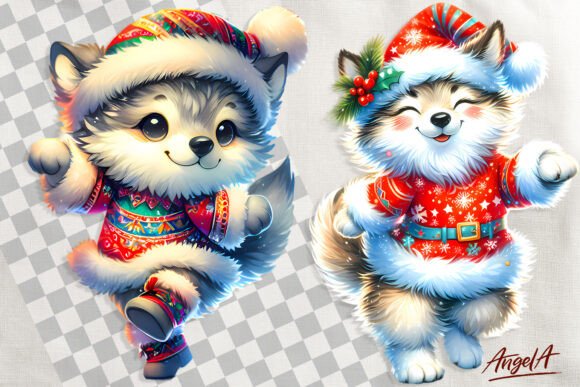
The immediate impression of this collection is warmth. In a market saturated with generic red-and-green holiday graphics, the inclusion of a wolf character adds a unique narrative layer. Wolves are often depicted as fierce or wild, but this interpretation leans heavily into the "cute" aesthetic, making it approachable for family-oriented brands, children’s products, or cozy lifestyle blogs. The style represents a modern, hand-drawn feel that bridges the gap between traditional holiday nostalgia and contemporary modern design trends.
For a client project, mood is everything. These assets create a sense of playful innocence. If you are working on a project for a bakery, a candle shop, or a children’s book publisher, this visual language aligns perfectly. It does not scream "corporate"; instead, it whispers "handcrafted care." This distinction is crucial when building small business branding that relies on emotional connection rather than sterile professionalism.
Versatility in Real Client Projects
The true test of any digital product is its adaptability. I tested these clips across several mediums to see where they performed best. For packaging design, the larger illustrations worked beautifully as hero graphics on box lids and bag seals. The clean lines allowed them to scale down for sticker design without losing definition, which is a common pitfall with overly detailed raster images.
In the realm of print-on-demand, these assets shine. I mocked them up on tote bags and ceramic mugs, and the contrast held up well against both light and dark fabric backgrounds. For t-shirt design, the simplicity of the wolf character ensures that the print remains clear even after multiple washes, provided the file resolution is sufficient. Additionally, for users of cutting machines, this serves as an excellent base for a Cricut project. Whether you are creating layered paper crafts or vinyl decals for holiday windows, the shapes are distinct enough to cut cleanly.
Digital marketers will find these equally useful. I integrated them into social media graphics for Instagram stories and Pinterest pins. The whimsical nature of the wolf increases engagement because it breaks the visual monotony of standard sales posts. They also work well as decorative accents in Canva template layouts, adding a festive touch to email headers or blog post featured images.
Strategic Placement and Visual Hierarchy
Understanding where to place these elements is key to maintaining visual hierarchy. These illustrations work best in large layout areas where they can breathe. Using them as central focal points in editorial design or as primary elements on printable design wall art allows the viewer to appreciate the details. They are ideal for themed collections where consistency matters, such as a series of holiday cards or a set of gift tags.
However, caution is required. These assets should be used carefully in crowded layouts. Because the wolf character has a distinct personality, placing it next to complex patterns or busy text blocks can create visual noise. In minimalist branding projects, you might need to simplify the usage, perhaps using only the silhouette or reducing the opacity to serve as a subtle watermark. Avoid using them in low-contrast designs where the details might get lost, especially if the background color clashes with the primary tones of the illustration.
Impact on Brand Consistency and Trust
When integrating Christmas Clipart, Cute Wolf Clipart, into a client’s existing brand, consistency is paramount. The playful style must align with the brand’s voice. If the brand is known for luxury and seriousness, this asset might undermine visual trust. However, for brands that prioritize community, warmth, and creativity, it enhances audience engagement and reinforces a friendly brand personality.
The professionalism of the final output depends heavily on how these elements are combined with typography. I found that pairing these illustrations with a clean sans serif font creates a balanced, modern look. Alternatively, a script font or handwritten font can amplify the cozy, handmade feel. Avoid overly ornate display font styles that might compete with the character for attention. The goal is to let the illustration support the message, not distract from it.
Practical Designer Notes and Technical Checks
Before delivering any final files to a client, I run through a strict quality control checklist. Here are my recommendations for anyone using this design bundle:
- Test in Black and White: Convert the image to grayscale to ensure the values hold up. This is critical for newspaper ads or single-color printing methods.
- Check Contrast: Preview the asset on both pure white and deep charcoal backgrounds. Ensure there is enough separation between the subject and the background.
- Inspect File Formats: Verify if you are using a PNG design with a transparent background or an SVG design for vector scalability. For large format prints like banners, vector files are preferred to avoid pixelation.
- Review Licensing: Always confirm the commercial license terms. Ensure you are compliant with usage rights, especially if you are selling the final design as an Etsy product or using it in marketing visuals for a paying client.
- Mockup Testing: Never judge a design solely on screen. Place the asset on real product mockups to see how lighting and texture affect its appearance.
In conclusion, Christmas Clipart, Cute Wolf Clipart, is a strong contender for seasonal creative design projects. It offers a blend of charm and professionalism that, when used with intention, can elevate a simple concept into a polished commercial design. For designers, marketers, and small business owners looking to add a touch of whimsical holiday spirit to their design assets, this collection provides a solid foundation for creating memorable visual experiences.