Review: Polar Bear Clipart - Christmas Gift
As a designer who has spent countless hours digitizing and stitching out thousands of files, I approach every new machine embroidery design with a mix of curiosity and skepticism. We have all been there: you download a file that looks adorable on the screen, only to find it turns into a tangled mess of thread once it hits the fabric. Today, I am taking a close look at Polar Bear Clipart - Christmas Gift Clip, evaluating it not just as a piece of digital art, but as a functional asset for real-world embroidery projects.
This design falls under the category of Illustrations, which immediately tells me that line quality and visual flow are paramount. Unlike simple geometric logos or blocky text, illustrative designs require a nuanced approach to stitch types to maintain their charm without sacrificing durability. My goal here is to determine if this polar bear motif is ready for your next client order or if it needs some tweaking before it hits the hoop.
First Impressions and Visual Personality
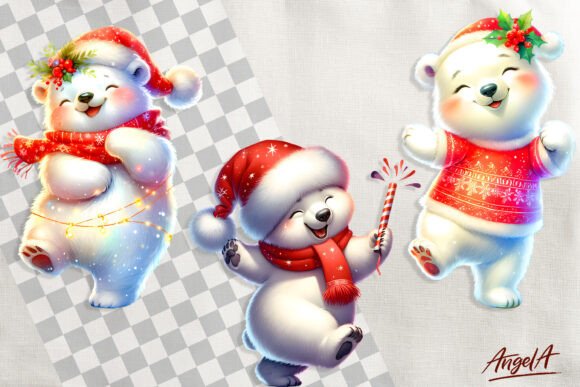
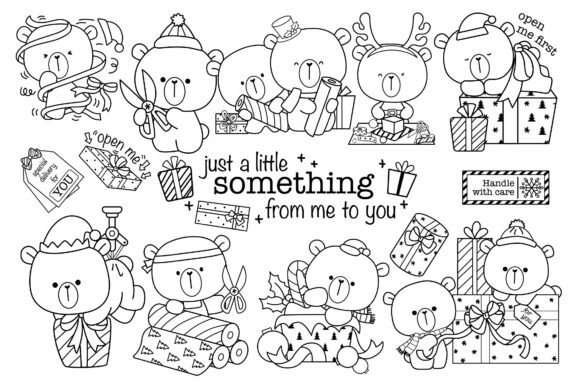
The moment I loaded Polar Bear Clipart - Christmas Gift Clip into my viewer, the first thing that struck me was its whimsical yet clean aesthetic. The polar bear is depicted in a style that balances cuteness with clarity, which is essential for embroidery. Too much detail in a small graphic can lead to stitching issues, while too little can make the design look flat. This clip strikes a nice middle ground.
The theme is unmistakably festive. Featuring a polar bear interacting with a gift element, it evokes a sense of holiday warmth and winter coziness. For embroidery designers and Etsy sellers, this mood is gold during the fourth quarter. It fits naturally into the narrative of holiday gifting, nursery decor, and seasonal apparel. The layout appears balanced, with no overly extended limbs or floating elements that might require excessive jump stitches or tricky trimming.
Real-World Application: The Holiday Sweatshirt Test
To truly understand the value of an embroidery file, you have to imagine it on a finished product. I visualized this design stitched onto a heather grey crewneck sweatshirt. This is a classic custom apparel item that sells well in small shops. The white and light blue tones typical of a polar bear design would pop beautifully against the grey, creating a soft, wintry contrast.
I also considered its use on a canvas tote bag design. Tote bags are sturdy, making them ideal for slightly denser stitching. If this design uses a combination of satin stitch for outlines and fill stitch for the body of the bear, it would hold up well to the wear and tear of daily use. For a personalized gift, such as a baby’s holiday outfit, the softness of the subject matter aligns perfectly with the delicate nature of baby embroidery. However, scale is everything here. A design that looks perfect on a pillow might overwhelm a tiny onesie.
Technical Considerations for Stitching
Let’s talk about the mechanics. When working with illustrative design assets, stitch density is the silent killer of good projects. If Polar Bear Clipart - Christmas Gift Clip relies heavily on dense fill stitches, it could cause puckering on lighter fabrics. I recommend checking the stitch count and density settings in your software before running it on your final garment.
For curved surfaces like caps or hats, this design would need careful placement. The center front of a cap is a small, curved canvas. If the design is too wide, it will distort. I suggest testing it on a scrap piece of similar fabric first. Use a proper stabilizer; for knit fabrics like t-shirts or sweatshirts, a cut-away stabilizer is usually best to prevent stretching during wear. For woven fabrics like tote bags or aprons, a tear-away might suffice, depending on the stitch density.
Thread choice is another critical factor. To achieve the fluffy texture of a polar bear, you might consider using a textured thread or varying your thread colors slightly to create depth. If the design includes small details, ensure they are not so tiny that they get lost in the fabric texture. Running stitch elements should be checked for continuity to avoid frequent thread breaks.
Where to Use It Carefully
While this design is versatile, it is not universal. Here are a few scenarios where you should proceed with caution:
- Small Hoop Sizes: If you are using a 4x4 hoop, ensure the design fits comfortably within the safe zone. Crowding the edges can lead to hoop burns or missed stitches.
- Dark Fabric: Polar bears are typically white. Stitching white thread on black fabric can sometimes look sparse if the underlying fabric shows through. You may need an underlay or a patch base to ensure full coverage.
- Stretchy Fabric: On high-stretch materials like leggings or thin jersey, even a well-digitized design can pucker. Always stabilize heavily and consider using a water-soluble topping to keep the stitches sitting on top of the fabric texture.
- Frequent Washing: If this is for a handmade product like a kitchen towel or baby bib, ensure the stitch types are secure. Satin columns should be narrow enough to resist snagging but wide enough to cover the fabric.
Impact on Brand and Customer Perception
For craft business owners, the quality of your embroidery directly impacts customer trust. A clean, well-stitched Polar Bear Clipart - Christmas Gift Clip signals professionalism. It suggests that you care about the details. When customers see a crisp outline and smooth fills, they perceive higher value. This is crucial for commercial embroidery where you are competing with mass-produced items.
Using high-quality Illustrations like this one can also enhance your brand consistency. If your shop specializes in cozy, winter-themed goods, this design reinforces your niche. It works well for printable mockup previews too, allowing you to showcase the design digitally before you even stitch a single thread. This saves time and materials while helping customers visualize the finished product.
Practical Designer Notes
Before you commit to a large batch of holiday embroidery projects, take these steps:
- Test on Scrap: Always stitch out a test sample on the actual fabric you plan to use. Check for puckering, thread breaks, and color accuracy.
- Check Contrast: View the design in black and white on your screen. If the details disappear, the contrast might be too low for certain fabrics.
- Verify Licensing: Confirm the license terms for the digital embroidery file. Can you use it for commercial sales? Are there restrictions on the number of items you can produce? Never assume; always read the fine print.
- Inspect Small Details: Zoom in on the eyes and nose of the bear. Are they satin stitches or small fills? Ensure they are large enough to stitch cleanly on your machine.
- Consider Applique: If the design allows, consider converting parts of it into an applique design. Using felt or fleece for the bear’s body can reduce stitch count and add a lovely tactile dimension to your embroidered patch or garment.
In conclusion, Polar Bear Clipart - Christmas Gift Clip appears to be a strong contender for your winter collection. It offers the right blend of charm and technical feasibility for most home embroiderers and small business owners. By paying attention to fabric choice, stabilization, and thread selection, you can turn this digital asset into a standout small shop product that delights customers and stands the test of time. Happy stitching!