Christmas Garden Clipart: Illustrations for Blogs
As a digital publisher who has spent years refining the visual architecture of high-traffic content sites, I approach every new graphic design asset with a critical eye. It is not enough for an image to be pretty; it must perform. When I first loaded the files for Christmas Garden Clipart, my immediate concern was versatility. Does this collection hold up under the scrutiny of modern web design standards? After integrating these elements into several live editorial layouts, I can confidently say that this set offers a sophisticated balance of whimsy and professionalism that is rare in seasonal assets.
The first impression created by Christmas Garden Clipart is one of curated warmth. Unlike the chaotic, neon-heavy graphics that often saturate the holiday market, these Illustrations evoke a serene, botanical mood. This aesthetic is crucial for maintaining reader trust. When a visitor lands on a page cluttered with low-quality visuals, bounce rates spike. However, when the visual language feels intentional and polished, as it does here, the perceived value of the accompanying content rises immediately. This asset naturally supports niches such as lifestyle blogging, home decor, culinary arts, and gentle parenting, where the tone needs to be inviting rather than aggressive.
Elevating Editorial Design with Botanical Holiday Themes
In the realm of editorial design, consistency is king. One of the strongest advantages of using Christmas Garden Clipart is its ability to unify disparate content types. I tested these graphics across a variety of publishing scenarios, from blog featured images to complex newsletter headers. The result was a cohesive brand identity that felt both festive and refined. For bloggers preparing their Q4 content strategy, this means you can create a seamless visual experience that guides the reader from a Pinterest pin all the way through to a converted sale or newsletter subscription.
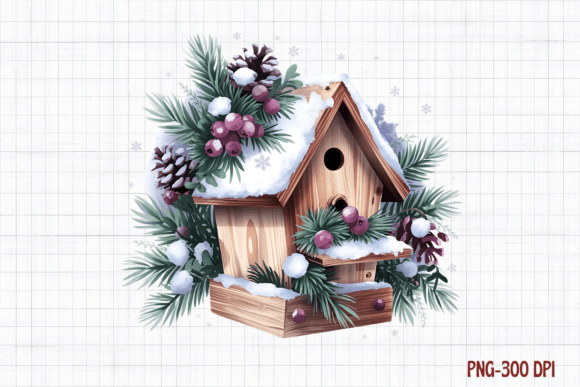
Consider the application in blog graphics. A standard holiday post can easily get lost in the noise of December feeds. By incorporating these garden-themed elements—think holly leaves, pine cones, and winter berries rendered in a soft, artistic style—you create a unique visual signature. This is not just about decoration; it is about visual hierarchy. These elements can frame headlines, separate sections of long-form content, or serve as subtle background textures that add depth without distracting from the text. The key is that they support the narrative rather than overpowering it.
Practical Applications for Content Creators
For those of us managing multiple content streams, the utility of a single, high-quality asset pack cannot be overstated. Here is how I effectively deployed Christmas Garden Clipart in a real-world publishing workflow:
- Pinterest Graphics: The vertical composition of many elements in this set makes them ideal for creating tall, clickable pins. They provide enough negative space for overlay text while maintaining strong visual appeal.
- Newsletter Banners: Email clients can be tricky with heavy images. These lightweight graphics load quickly and add a festive touch to header images without triggering spam filters or slowing down open rates.
- Digital Products: If you are creating a digital guide, eBook, or printable planner, these illustrations serve as excellent chapter dividers or cover art accents. They elevate a simple PDF into a premium digital product.
- Social Media Graphics: Beyond Instagram posts, these work beautifully for story highlights covers or carousel slide backgrounds, ensuring your small business branding remains consistent across platforms.
- Lead Magnets: A well-designed checklist or worksheet uses these graphics to feel like a gift rather than a chore, increasing download conversion rates.
When used in a Canva template, these elements allow non-designers on your team to produce professional-grade visuals rapidly. This efficiency is vital during the hectic holiday season when content volume typically increases.
Optimizing for Click-Through and Reader Engagement
The ultimate goal of any content marketing effort is engagement. Christmas Garden Clipart supports this by improving the aesthetic quality of your website header and article thumbnails. A stronger first impression leads to better click-through potential. When a user sees a thumbnail that looks custom-designed rather than stock-photo generic, they are more likely to trust the source. This trust translates into longer time-on-page and higher interaction rates with affiliate links or call-to-action buttons.
Furthermore, these assets help with category recognition. If you use a specific botanical motif from the set for all your holiday recipes, and a different one for your gift guides, you create a subconscious map for your readers. They begin to associate certain visual cues with specific types of content, enhancing the overall user experience. This level of thoughtful creative design is what separates amateur blogs from authoritative media properties.
Where to Use Caution in Web Layouts
While versatile, no asset is universal. There are specific contexts where Christmas Garden Clipart should be used carefully. For instance, on small mobile thumbnails, intricate details may become muddy. It is essential to test how these graphics render on smaller screens. If the lines are too fine, they may disappear or look like visual noise. Additionally, avoid placing these decorative elements over busy backgrounds or low-contrast areas. The goal is clarity. If the graphic competes with the text for attention, you have failed in your visual hierarchy.
Moreover, consider the tone of your niche. If you are writing for a strictly corporate, financial, or hard-news audience, the playful, organic nature of these illustrations might undermine the seriousness of the content. In such cases, reserve these assets for lighter sidebars or seasonal greetings rather than primary editorial visuals. Always align the commercial design choices with the expectations of your specific audience.
Technical Notes for Publishers and Designers
Before launching any campaign featuring these assets, rigorous testing is required. As an experienced publisher, I recommend the following workflow to ensure optimal performance:
- Device Testing: Preview the graphics on both desktop and mobile screens. Check for pixelation or layout shifts.
- Thumbnail Legibility: Shrink the image to thumbnail size. Can the main subject still be identified? If not, simplify the composition.
- Typography Pairing: Test the clipart beside various font styles. It pairs exceptionally well with serif fonts for a classic look, sans serif for modern cleanliness, and script fonts for a personal touch. Avoid overly decorative display fonts that might clash with the intricate details of the garden elements.
- File Optimization: Review file sizes for web performance. Large images slow down page load times, which negatively impacts SEO. Compress images properly using tools like TinyPNG or Squoosh before uploading.
- Licensing Verification: Always confirm the commercial license terms. Ensure you are compliant when using these assets on monetized websites, affiliate pages, or in paid content products. Buying from a reputable creative marketplace usually provides this clarity, but never assume.
In conclusion, Christmas Garden Clipart is more than just a collection of holiday images; it is a strategic tool for enhancing digital download products, improving affiliate marketing visuals, and strengthening overall web design. By treating these design assets as integral components of your editorial strategy, you can create content that is not only visually stunning but also highly effective in driving reader engagement and trust. For the modern blogger or digital entrepreneur, investing in high-quality, versatile illustrations is a small step that yields significant returns in brand perception and content performance.